




June 3, 2026
Communion: How a Seattle Soul Food Destination Turned Its Supper Club Into a Lifeline for Margins, Morale, and Community
How Chef Kristi Brown and Damon Bomar turned Communion's Seattle Soul cooking into a monthly Supper Club — a recurring revenue line that helps cover payroll, builds staff ownership, and reaches guests the 50-seat dining room can't.


Seattle, WA | Restaurant & Bar | Supper Club Subscription
Key results
- Incremental monthly revenue that helps cover payroll and invest in staff retention
- Steady subscriber growth driven by word of mouth and repeat families
- A new ownership opportunity for staff, with team members taking the lead on menu development and execution
Where soul food meets Seattle
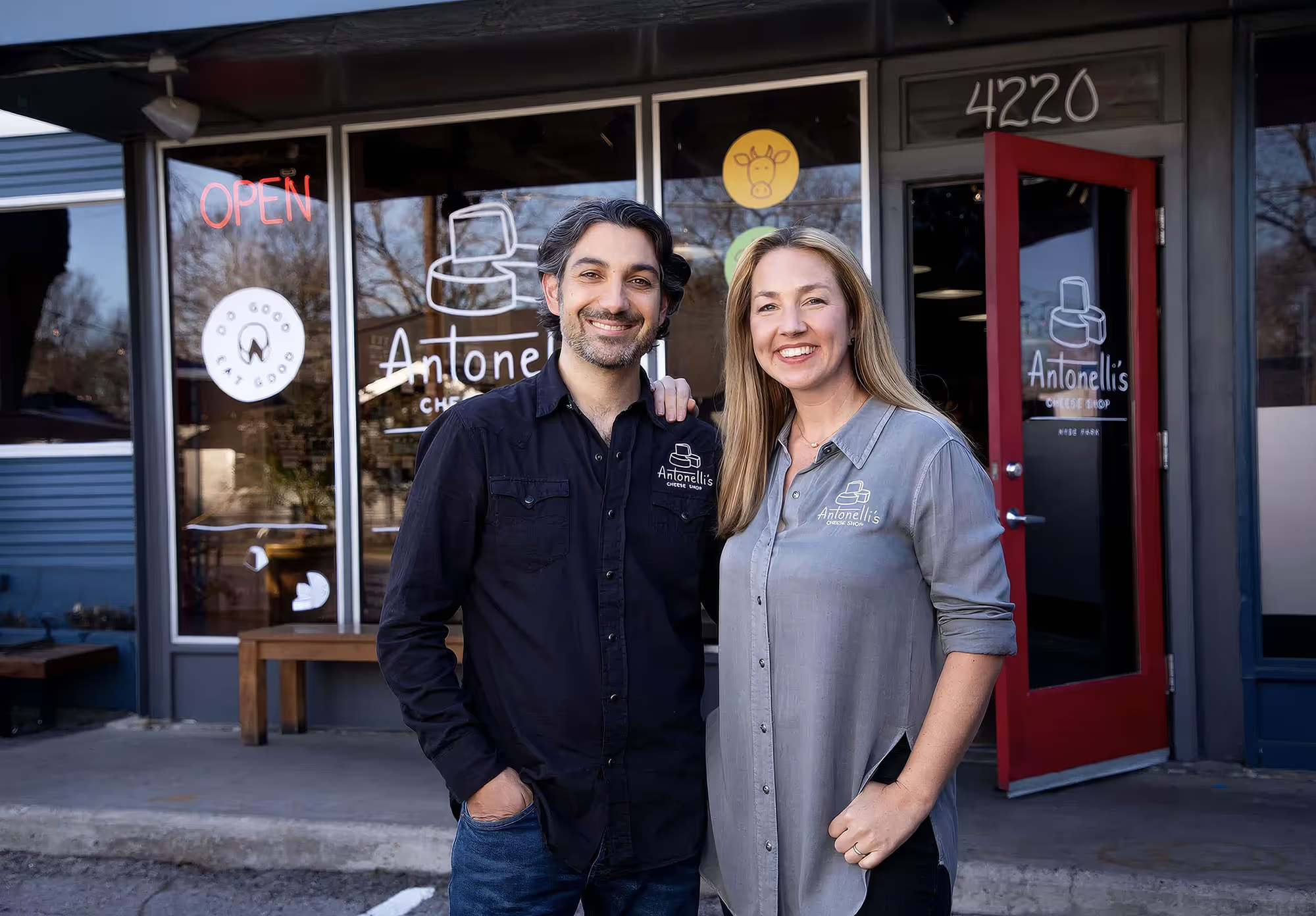
Communion Restaurant & Bar sits on the corner of 24th and Union in Seattle's Central District, inside the historic Liberty Bank Building, a redeveloped landmark originally built to serve Black homebuyers and business owners in the 1960s. When Chef Kristi Brown and her son, co-owner Damon Bomar, signed on to anchor the building's ground-floor restaurant space, they knew it carried weight. The Central District's Black population had been shrinking for decades under the pressures of gentrification, and Communion was designed to be a gathering place rooted in culture, food, and belonging.
Chef Kristi calls her cooking style "Seattle Soul," shaped by growing up in the Central District, shopping the International District markets of Little Saigon and Chinatown, and carrying her family's Southern roots into every dish. The menu says it best: a berbere-spiced half chicken sits over lemon herb lentils. Mussels and clams arrive in a coconut cream broth with Lao sausage. And the fried chicken wings and collard greens braised with neck bones are still on the menu, because the classics matter just as much as the riffs.
"Seattle Soul tells the story of a marriage between a love for people, the cultures that made me, and the food that's nurtured me." — Chef Kristi Brown, Owner, Communion
Since opening in December 2020, Communion has earned recognition from Condé Nast, The New York Times, James Beard, and Seattle Met, which named it Restaurant of the Year. The accolades solidify its reputation as a destination restaurant, even as it remains a local neighborhood favorite.
When the to-go window falls short
For a 50-seat restaurant with thin margins, the challenge was familiar to any small operator: how do you extend your reach without stretching your team past the breaking point?
Damon knew that the traditional to-go model wasn't cutting it. When to-go orders get packed in the chaos of a full house and the kitchen is focused on the dining room, the off-prem quality inevitably suffers. The guest opening that bag at home doesn't get the same intention that went into the plate at table six.
Damon and Chef Kristi had run a catering operation, That Brown Girl Cooks, for years before opening Communion. They understood off-premise food and knew the difference between food packaged as an afterthought and food built for the journey home. What they needed was a channel that brought that same level of care to a recurring offering, without adding a second business to manage.
Building a supper club with intention
Communion launched its Supper Club through Table22 as a monthly subscription delivering the restaurant's Seattle Soul cooking directly to members' homes. Each month, the kitchen team collaborates on a rotating menu, often reviving popular dishes from past menus or testing entirely new ideas. They were even able to add cocktails from Damon's bar program to round out the experience.
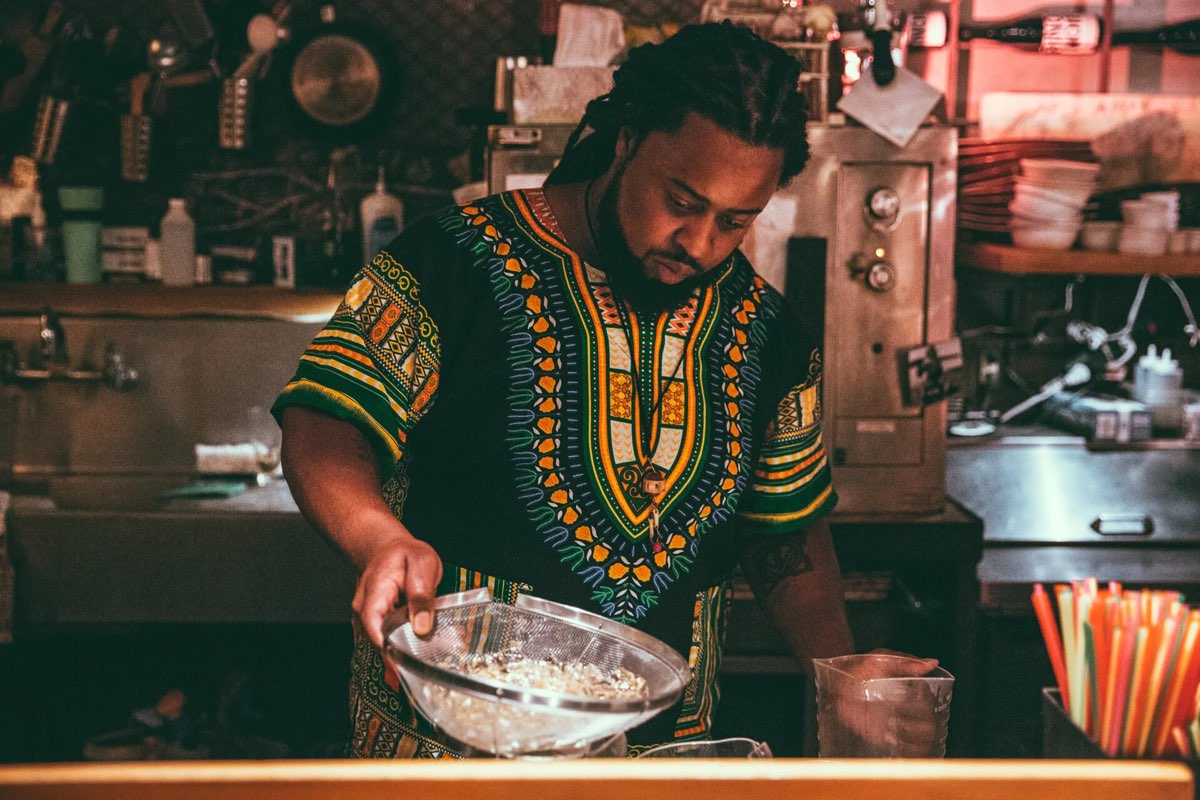
The key difference from standard takeout is intentionality. The whole experience is planned (and paid for) weeks in advance rather than assembled mid-service, allowing for thoughtful portioning, packaging, and pairing. Damon thinks guests can really feel that curation.
"When you order while the restaurant's open and busy, it's really hard to recreate that experience [to-go]. But when you have everything neatly packaged, and you have your order there and you got your cocktails there, you see the intention that we're putting into it." — Damon Bomar, Co-Owner, Communion
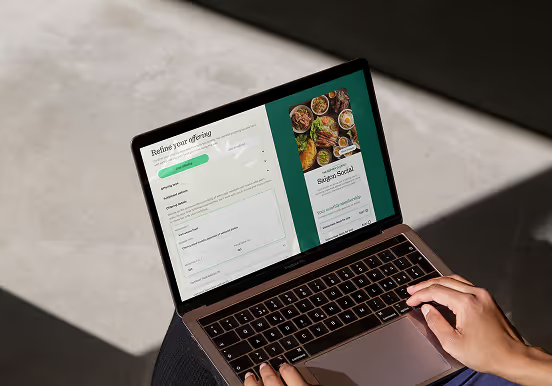
Table22 handles the storefront, subscriber management, and delivery logistics. Communion's team focuses on menu development and execution, the parts that are their signature craft. Damon's advice for any operator considering a similar program: plan your menus three to four months out and spread the prep labor across multiple days so fulfillment day doesn't become a scramble. And have fun with it. The Supper Club is a space to experiment, to run higher-margin items, and to try the project you've been sitting on.
More than a revenue line
For a small, family-owned restaurant navigating minimum wage increases, inflation, and the relentless math of food cost, the Supper Club has become a meaningful source of recurring revenue. Damon is candid about what that monthly infusion of cash means for a business like Communion: it can be the difference between making payroll comfortably and sweating through the end of the month.
But the impact goes beyond the deposit. The subscriber feedback loop has become something the team genuinely values. When a month doesn't land, members say so, and the kitchen responds with urgency. When the cocktail add-on launched, the response confirmed what Damon already suspected - people wanted the full Communion experience at home, drinks and all.
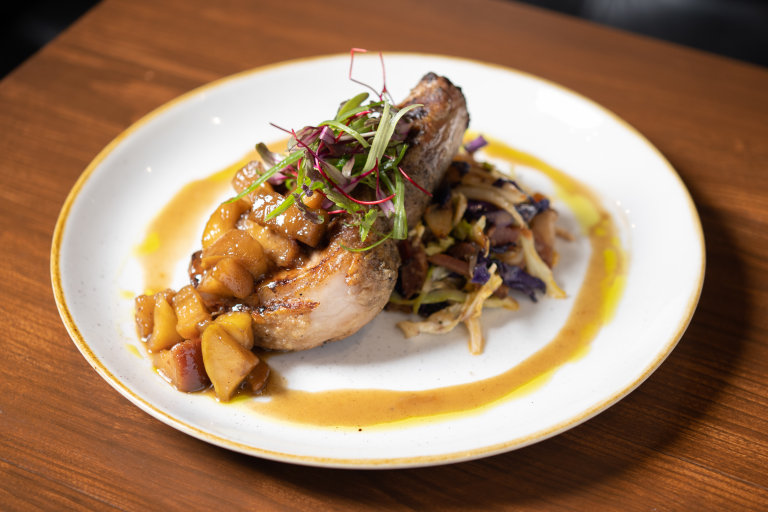
Some of the most meaningful feedback has come from parents, particularly new parents who can't get out the way they used to. Hearing from a mom who said she'd been watching Communion for five years and could finally experience the food through the Supper Club reminded Damon why the program matters. It reaches people the dining room can't.
Feeding what comes next
Damon sees the Supper Club as an investment in the team and the long-term health of the business. The program creates an opportunity for staff members to take ownership of something tangible, from menu planning to execution, which builds confidence and raises morale. It can fund retention bonuses, helping to reward and retain staff in a high-turnover industry. And it gives chefs a creative runway that the regular menu doesn't always allow.
"This is an avenue that you can really build, and it can be a revenue source that actually benefits the restaurant and keeps people engaged." — Damon Bomar, Co-Owner, Communion
Our platform, your intention. Welcome to the Club.
More articles


Let’s build something that lasts.
Try Table22 for free, cancel anytime.