




September 1, 2026
Beyond Four Walls: How Independent Food Businesses Build Off-Premise Revenue
Learn how independent restaurants, butcher shops, wine shops, and specialty retailers can build predictable off-premise revenue beyond the storefront.


Independent food and beverage businesses can create off-premise revenue by giving loyal customers a reliable way to buy beyond a storefront visit. Subscriptions, standing orders, and seasonal drops can turn demand limited by distance and schedules into more predictable revenue—without adding more open hours.
There is a number that rarely appears in a point-of-sale report: sales from people who wanted to buy from you but could not make it in. They lived across town, your shop was closed, the product sold out, or life simply got in the way.
That demand is easy to miss because it never reaches the register. It is still real.
For independent restaurants, butcher shops, wine shops, cheese counters, and specialty retailers, the opportunity is not to work more hours or push more people through the door. It is to give people who already value your work a dependable way to keep buying from you.
Brick-and-mortar on its own, limits revenue
A storefront is where hospitality happens. It is also a practical limit for consumer access. A customer has to be nearby, free during your hours, and able to visit on a day when what they want is available.
Your product, reputation, and customer loyalty may reach far beyond that moment. Your ability to serve people does not always.
Consider the regular who moved to the suburbs, the couple who found your restaurant while traveling, or the customer who trusts your taste but cannot cross town every week. Their connection to your business has not disappeared. Their access has.
For a long time, the only answer was to hope they would return. Independent operators now have more ways to stay present in customers’ lives.
What is off-premise recurring commerce?
Off-premise recurring commerce gives customers a regular way to receive something from a business through pickup, local delivery, or shipping where it makes sense. It may be a monthly butcher box, wine club, cheese selection, prepared-meal subscription, or seasonal drop.
The format matters less than the relationship. A one-time visit has to be earned again with every transaction. A recurring order gives a customer an ongoing reason to stay connected.
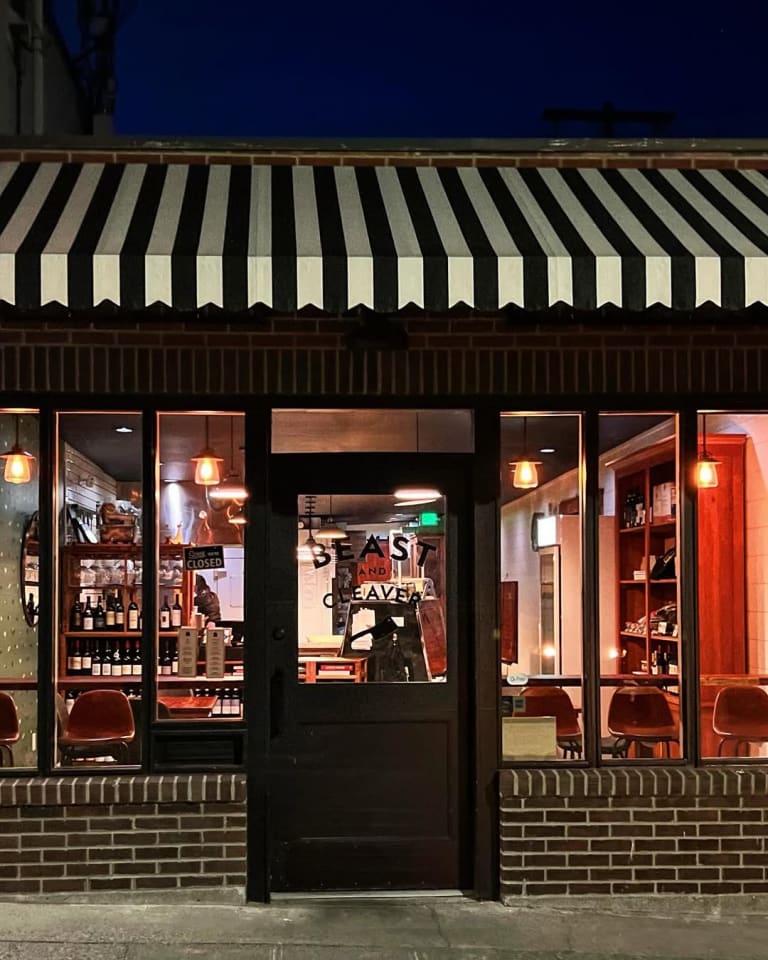
Beast & Cleaver, a Seattle butcher shop, offers one example. Some customers loved the shop but lived too far away to visit often. By creating a recurring way to buy, the business grew to more than 300 subscribers. Those relationships no longer depended on being in the neighborhood at exactly the right time.
Why is predictable revenue valuable for independent businesses?
Recurring revenue is valuable because part of next month’s sales is known before the month begins. That clearer view can help an operator plan orders, ingredients, and labor.
It does not eliminate the normal variability of hospitality. Weather, foot traffic, and seasonality still matter. It can create a steadier base underneath them:
- Better purchasing decisions because demand is easier to estimate
- More deliberate prep and staffing because fulfillment volume is known
- Less dependance on one busy weekend or a run of walk-in traffic
- More confidence to invest in the work your business does well
The value is not only in new sales. It is sales that are easier to see coming.
Selling beyond the storefront does not mean becoming an e-commerce company
Extending hospitality beyond the storefront does not require a national catalog, warehouse, or a business built around shipping everything everywhere.
For many operators, the most natural version stays close to home: a scheduled counter pickup, a local delivery route, or a thoughtful shipment for customers who cannot visit. The offering can stay focused on the inventory, prep, and point of view the business already has.
It also does not have to redirect in-store sales. Across Table22 programs, about 80% of subscribers had not visited the business in the prior year. That suggests recurring programs can reach people a storefront alone was not serving: lapsed regulars, people who moved, and customers whose schedules no longer line up with a visit.
The question worth asking
If your current operation is working, it is worth protecting. The more useful question is not whether the front door is enough today. It is how much customer demand sits outside it.
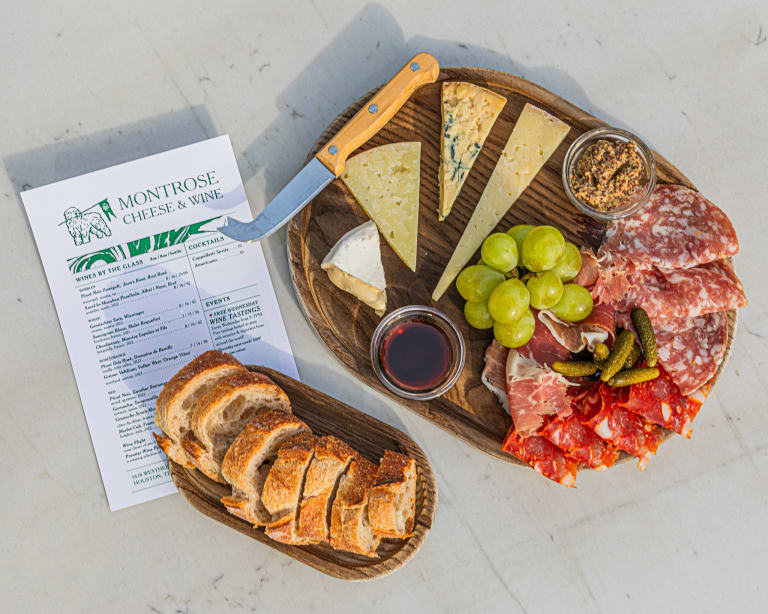
Montrose Cheese & Wine heard from customers who wanted delivery in suburbs the shop could not reach. Once the business created a way to serve them, membership doubled in 90 days. The demand was not new; the access was.
Every independent business will answer this question differently. But for operators with a loyal following, revenue beyond the storefront can be less about taking on another job and more about making it easier for customers to stay close to the craft they already love.
More articles


Let’s build something that lasts.
Try Table22 for free, cancel anytime.