





August 25, 2026
Preventing a subscription club from becoming a second full-time job
Learn what it takes to run a food and beverage subscription club—and how the right division of labor keeps operators focused on their craft.


Running a subscription club in-house can become a second full-time job. The work includes billing, member changes, customer service, communication, fulfillment coordination, and reporting. A well-supported program lets an operator keep the work that needs their expertise—curation and fulfillment—while the administrative load is handled elsewhere.
If you have looked at a club and thought, “We do not have the bandwidth,” that is not a lack of ambition. It is an accurate read on what a recurring program requires when every task lands on a small team already running a restaurant or shop.
The useful response is not to pretend the work is easy. It is to separate what only you can do from what a dedicated platform and support team can carry.
What work is required to run a subscription club?
The visible part of a club is usually the enjoyable part: choosing the wine, planning the menu, selecting the cuts, and packing the box. The work behind it is more extensive:
- Processing recurring payments and resolving failed or expired cards.
- Managing upgrades, downgrades, skips, pauses, and cancellations.
- Answering member questions about billing, content, timing, and delivery.
- Writing launch, reminder, retention, and win-back messages.
- Coordinating pickup, delivery, addresses, and order details.
- Preparing labels and keeping member records accurate.
- Tracking results so the business knows what is working.
None of these tasks is glamorous, but each one matters. When handled manually, they create the slow, persistent administrative drag that causes otherwise promising programs to stall.
What should stay with the operator?
The parts that make a recurring offer worth joining should stay close to the business:
- Curation: Your taste, relationships, standards, and knowledge of what customers will love are not interchangeable.
- Fulfillment: Your team prepares or packs the offering with the quality and care customers expect.
Those are the moments where the operator’s attention creates value. They are also more manageable when the monthly order count is known in advance.
What can a subscription platform and support team handle?
The administrative work does not need to live on the owner’s plate. With Table22, the recurring billing, member account changes, customer communication, order coordination, labels, and reporting are managed in the background.
This does not remove the human side of hospitality. It places support where it is most useful: behind the scenes, so the business’s brand and craft remain at the center of the customer experience.
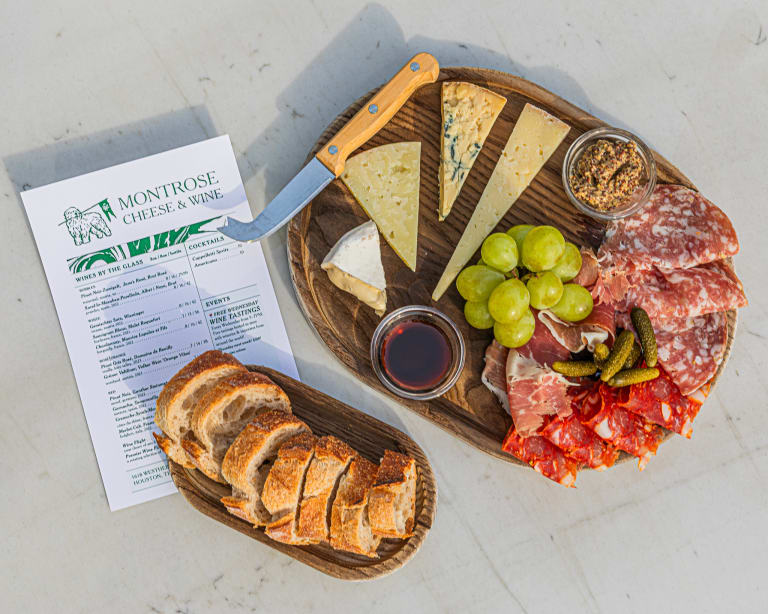
Montrose Cheese & Wine reclaimed roughly 75% of the team time it had been spending on manual program operations after moving the administrative work onto the platform. That is time that can go back to the counter, the floor, and the customer relationships that made the business valuable in the first place.
Think of a club as a prepaid catering order
A recurring club can be thought of as a prepaid catering order on a reliable cadence.
Before the fulfillment date, you know the approximate quantity. You have time to source, plan, and prepare. Payment is already settled. Instead of selling into an unknown day of foot traffic, your team is delivering a known order for people who have already said yes.
That predictability is what makes the owner commitment more manageable. The creative and physical work is concentrated in a planned fulfillment window rather than scattered across an entire month of back-office requests.
Do you need to launch a subscription club at full scale?
No. A small first cohort is a sensible way to learn. An operator can begin with a cap of 20 memberships, for example, and see how the offering fits the team’s existing rhythm.
Starting with a limit creates room to refine the offer, gather feedback, and understand the actual fulfillment effort. If demand and operations support growth, the business can expand on its own terms.
Every program is different, but the operating model is designed to concentrate the owner’s (or team's) role around choosing, preparing, and fulfilling the offering. With administrative work handled by Table22, that can mean roughly one focused fulfillment day each month instead of a second job spread across every week.
The purpose is not to add another business on top of yours. It is to help the business you already built create recurring revenue without compromising the time and attention that make it distinct.
More articles


Let’s build something that lasts.
Try Table22 for free, cancel anytime.