



September 3, 2026
The Off-premise Food & Beverage Trend: What independent merchants need to know in 2026
Learn why off-premise subscriptions, clubs, and drops are a durable way for independent food and beverage businesses to build predictable revenue.


Off-premise commerce is becoming a durable part of how customers engage with independent food and beverage businesses. For restaurants, wine shops, butcher shops, and specialty retailers, subscriptions, clubs, and recurring drops can extend hospitality beyond a single visit while creating more predictable revenue.
For generations, the customer had to walk through the door. A shop’s reach was shaped by its neighborhood, hours, parking, weather, and foot traffic. That model still matters. It is no longer the only model.
Today, customers increasingly expect to buy from makers they trust in ways that fit their lives: a planned pickup, local delivery, membership, or shipment on a reliable cadence. This is not about chasing every new channel. It is about responding to a lasting change in how people want to sustain relationships with businesses they value.
What is the off-premise trend in food and beverage?
The off-premise trend is the shift from relying only on in-person transactions to offering customers ways to buy and engage beyond the storefront. In independent food and beverage, that can include subscriptions, clubs, pre-orders, seasonal drops, pickup programs, local delivery, and shipping.
The lasting shift is not simply convenience. It is the move from an occasional purchase to ongoing access. Customers are increasingly willing to subscribe to products and experiences they care about, and they want direct relationships with the people who make, source, and curate them.
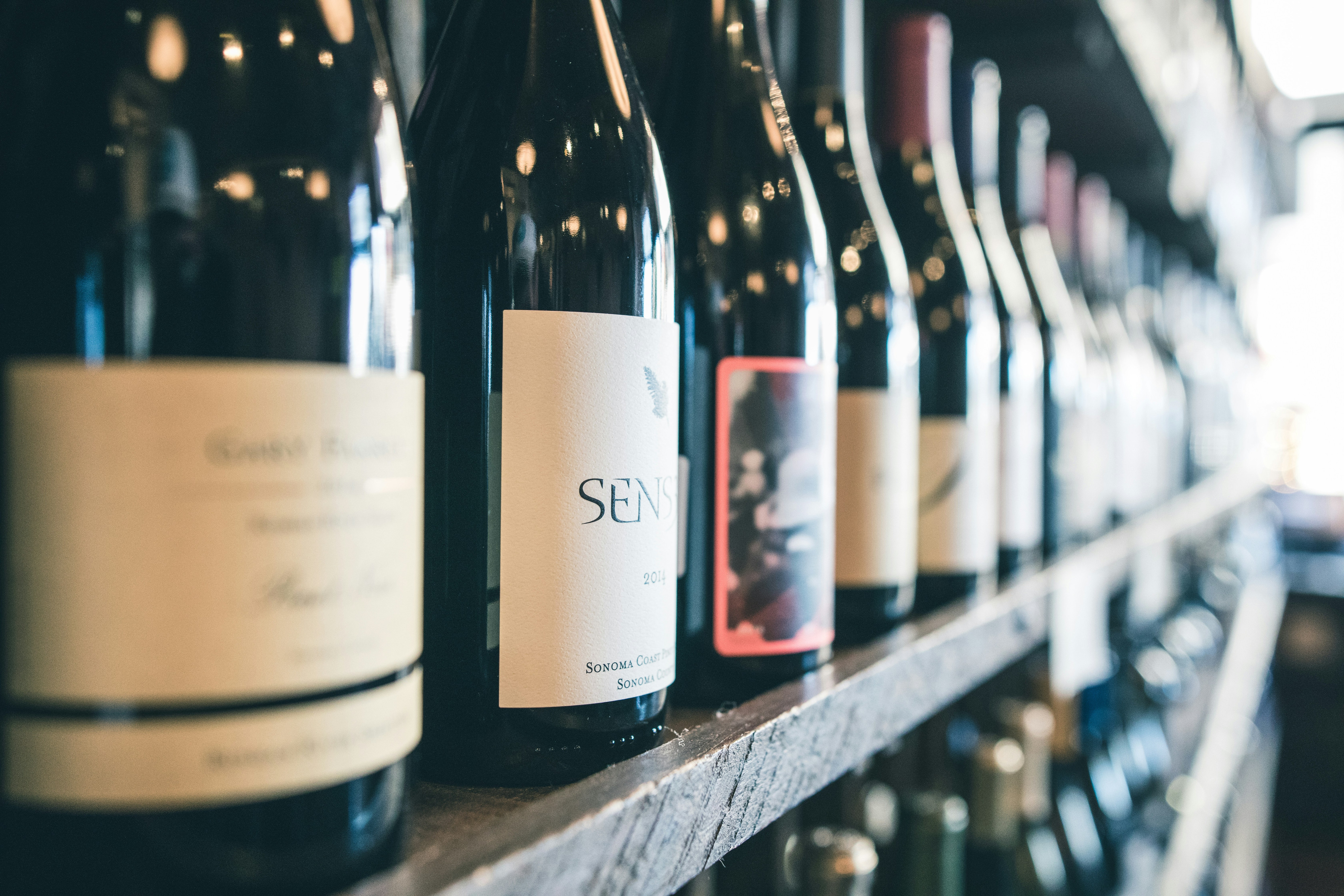
For a wine customer, that may mean a monthly selection chosen by a trusted shop. For a butcher-shop regular, it may mean a recurring box planned around the household’s actual needs. For a restaurant guest, it may mean a recurring dinner, kit, or membership that keeps the relationship alive between visits.
Off-premise commerce is a durable trend, not a short-term fad
Three forces make this shift more durable than a novelty.
First, subscriptions are now a familiar part of everyday buying. Customers understand the exchange: they pay on a schedule for something they value, and the experience becomes easier or more reliable.
Second, customers have a growing appetite for direct connections to independent makers. A thoughtful bottle, cut of meat, or prepared meal is not interchangeable when it comes from a business whose taste and standards they know. The relationship is part of the value.
Third, customers value access as much as a transaction. They do not only want to buy a product once. They want a dependable invitation to discover what a favorite operator does next.
Why a monthly subscription program matters
The practical upside is straightforward: a recurring program lets a business plan around a portion of demand that is known before the month begins.
- More predictable revenue: A committed member base creates a clearer sales baseline
- Better inventory planning: Operators can buy and prep against an expected order count instead of a guess
- More resilience: Recurring demand can soften, though never eliminate, normal swings from slow seasons and variable foot traffic
- A wider reach: Customers who cannot visit regularly can still remain part of the business
This does not require an independent operator to act like a national retailer. The opportunity is often strongest when the offering is specific, limited, and rooted in what the business already does exceptionally well.
Making subscription programs work
Independent operators already have the qualities recurring commerce needs: a point of view, trusted expertise, and real customer relationships.
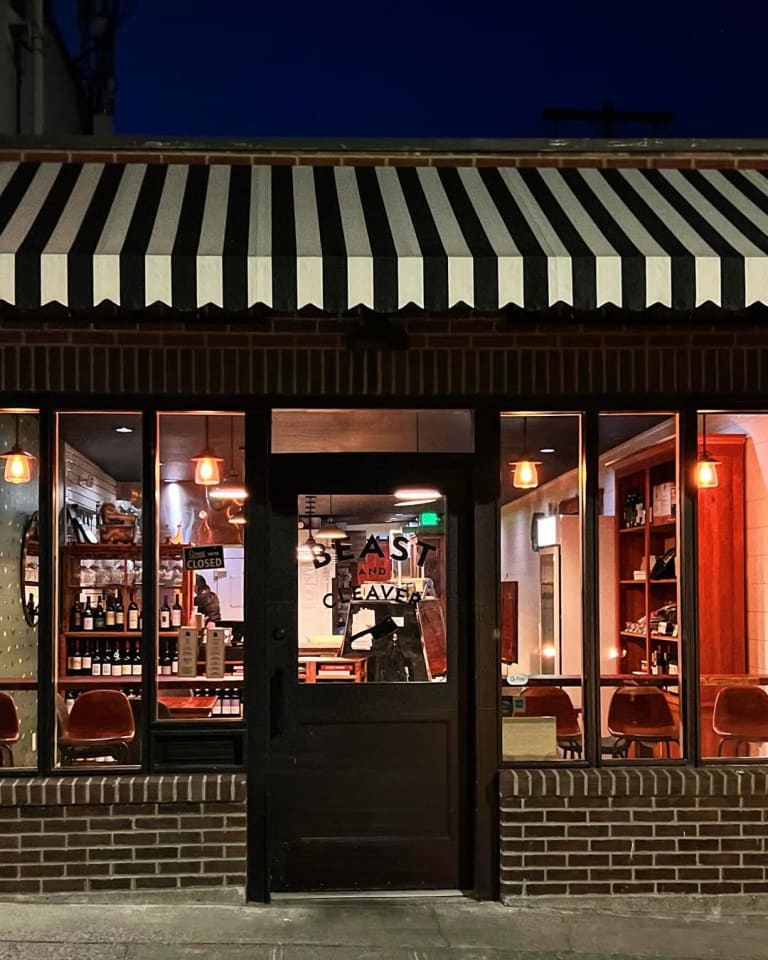
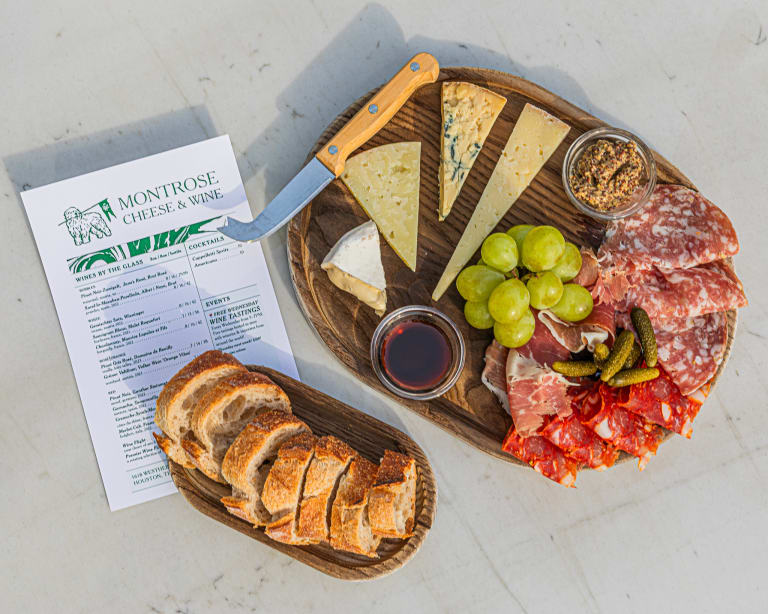
Beast & Cleaver, a Seattle butcher shop, has grown to more than 300 subscribers by giving customers beyond its usual trade area a regular way to buy. Montrose Cheese & Wine doubled membership in 90 days after finding a way to serve customers who wanted delivery outside the shop’s immediate reach. But don't rely only on the success of Beast & Cleaver to inform decisions; see the success of hundreds of other merchants who have rolled out recurring subscription programs.
The concern that a program only reshuffles existing regulars deserves attention. Across Table22 programs, about 80% of subscribers had not visited the business in the prior year. That indicates recurring commerce can reach customers a storefront is not currently serving, rather than simply displacing walk-in sales.
What do operators need before launching a recurring program?
The best starting point is a loyal customer base and a direct way to reach it. An email list, an engaged local following, an active social media account, and customer data collected with permission all make it easier to introduce an offering thoughtfully.
That is not a reason to wait until everything is perfect. It is a reason to build the relationship infrastructure that supports any future program. A direct customer list helps an operator fill a slow week, announce a seasonal drop, or test a new idea—whether or not a subscription is the next step.
From there, operators just need to keep doing what they specialize in with their products, offerings, and meals. Once that is in place, visualize what your program would look like and how it would roll out.
The off-premise opportunity in 2026
The future of independent food and beverage will still be rooted in physical places. The counter, dining room, and shop floor remain where trust is built. Off-premise commerce gives that trust somewhere to go when customers cannot be there in person.
For operators who treat it as an extension of their craft rather than a side experiment, it can become a steadier way to grow: on their own terms, in their own voice, and without losing what makes the business distinct.
More articles


Let’s build something that lasts.
Try Table22 for free, cancel anytime.