




September 2, 2026
Why your most loyal customers aren't always in your store - and how to reach them
Learn how independent food businesses can remove the distance, time, and convenience barriers between loyal customers and their products.


Loyal customers are not always frequent visitors. For independent food businesses, distance, schedules, and convenience can limit how often customers buy—not how much they value the business. Off-premise ordering gives customers a way to stay connected and can create more dependable revenue.
Every operator knows these customers: the Saturday bottle-and-cheese regular, the dinner-party host who trusts your cuts, the family that orders the holiday roast every year. They are not simply buyers. They are part of what your business means to the neighborhood.
Then life changes. A customer moves, starts a new job, has a child, or loses the spare hour that made a ritual possible. Visits become less frequent.
It is tempting to read that as declining loyalty. More often, it is an access problem.
Why do loyal customers stop visiting as often?
Customers face ordinary friction: a 30-minute drive, a work schedule that overlaps with your hours, traffic, parking, or the simple pressure of a full week. Someone who loves your shop can still visit less often than a nearby customer who feels less strongly about it.
That is not a verdict on your food, selection, or service. It is a reminder that customer loyalty and customer access are not the same thing.
The ceiling on what a person spends with you may have less to do with desire than with the effort required to act on it.
The risks of relying solely on foot traffic
Foot traffic is vital to local hospitality. It is also variable by nature. Rain, roadwork, seasonality, a quiet January, and a customer’s changing routine all affect who comes through the door.
None of those events is extraordinary. Together, they can leave a business overly reliant on circumstances it cannot control.
The point is not to replace the in-store experience. It is to avoid making an in-person visit the only way a loyal customer can buy. When that is the only route, every barrier to visiting becomes a sale the business cannot capture.
Reach loyal customers where they are
The strongest programs give customers a regular, thoughtful way to stay connected: a monthly box, seasonal club, standing order, or scheduled drop. A customer can pick up an order, receive local delivery, or, where appropriate, have it shipped.
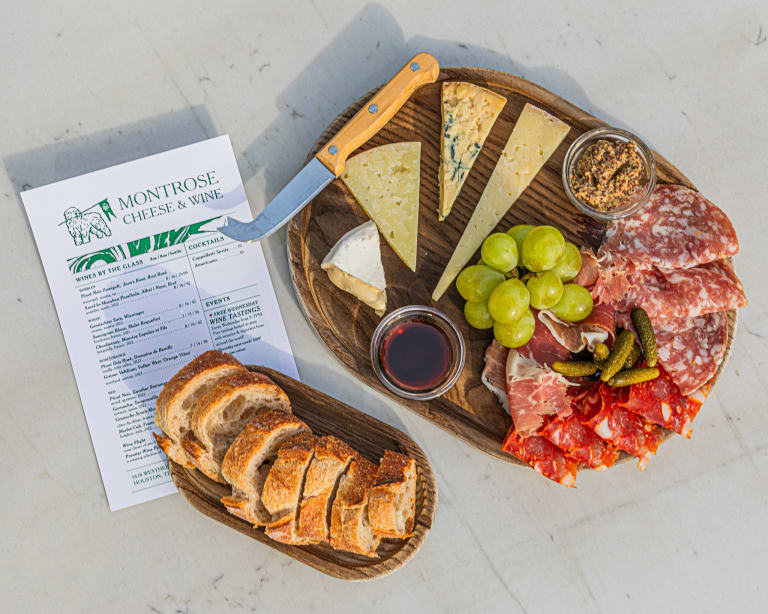
Montrose Cheese & Wine saw this opportunity in customer conversations. People who had moved to the suburbs wanted delivery to neighborhoods the shop did not yet serve. The demand was clear, but there was no way to meet it. Once that access existed, the business doubled its membership in 90 days.
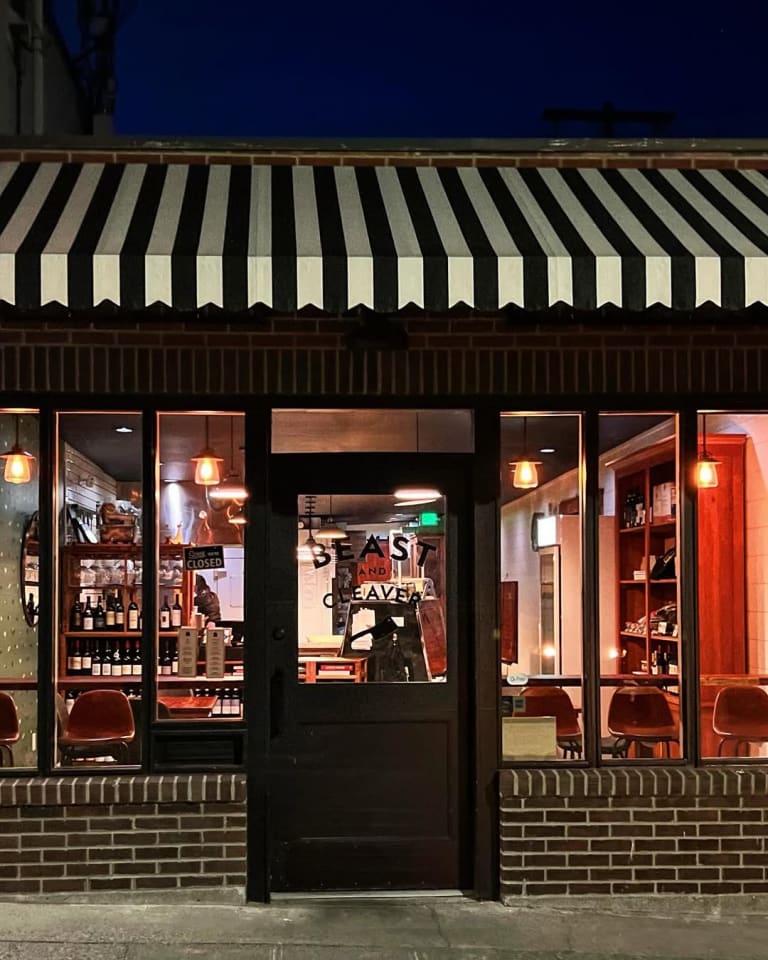
Beast & Cleaver faced a similar challenge in Seattle. Customers who loved the butcher shop were simply too far away to make regular trips. A recurring program helped the business grow to more than 300 subscribers by making the relationship possible beyond the drive.
Will a recurring subscription program cannibalize in-store sales?
It is a fair question. If customers can buy from home, are they just moving purchases that would have happened at the counter?
In many cases, off-premise access expands the relationship instead. Across Table22 programs, about 80% of subscribers had not visited the business in the previous year. These customers include people who drifted out of a routine, moved farther away, or never had a convenient way to become regulars in the first place. However, as subscribers, those individuals had a good reason to come into the store for (what some merchants call) a pick-up party. If pick-up is offered, that guarantees foot traffic and can be scheduled when the business needs the foot traffic most.
The store visit retains its own value: conversation, discovery, hospitality, and the pleasure of being there. A recurring off-premise offer serves a different need. It lets customers keep buying when a visit is not practical, or ensures they will walk through the doors for a pick-up and, while there, make additional purchases.
That is why a club or subscription is not a lesser version of the storefront. It can be another expression of the same relationship.
Loyal customers need a path to buy
For a business owner, a quiet week can feel personal. It is easy to wonder whether people still care. Usually, the more useful question is whether people have a simple way to act on that care.
The loyalty you earned through a great meal, a thoughtful recommendation, or years of consistency can outlast a customer’s routine. When an independent food business removes or softens the“you have to come in” requirement, that goodwill can become visible again—in orders, memberships, and repeat revenue.
More articles


Let’s build something that lasts.
Try Table22 for free, cancel anytime.